
Lifeguards
Lifeguards
Legislation
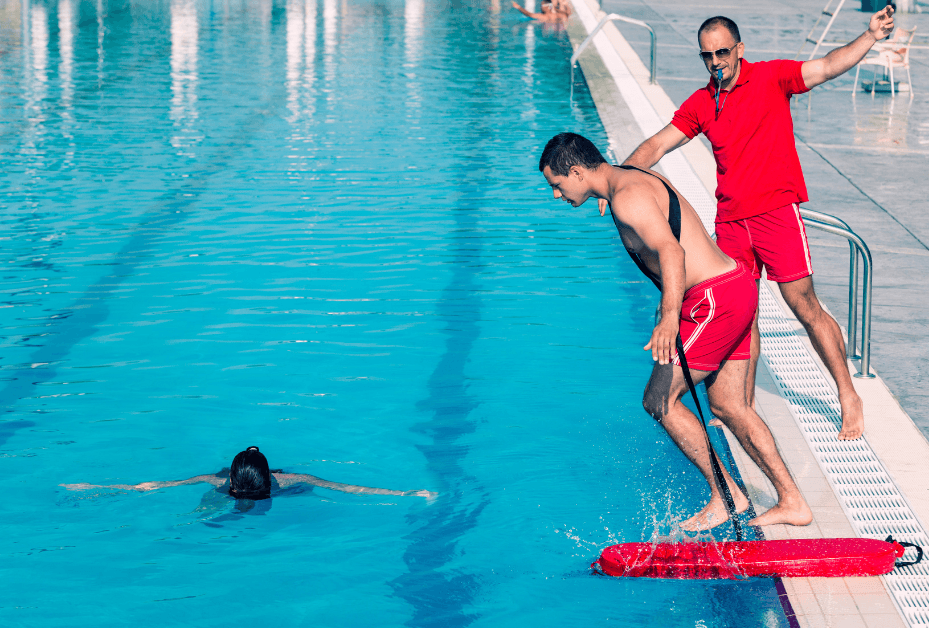
license for natural bathing areas (sea, lakes)
is intended for anyone who wants to acquire the knowledge and skills to protect swimmers and provide assistance in aquatic environments. The program includes theory and practical rescue skills, first aid, swimming techniques, and procedures for ensuring safety at swimming areas. After successfully completing the course, participants receive an official license that allows them to work as a lifeguard in Slovenia and abroad.
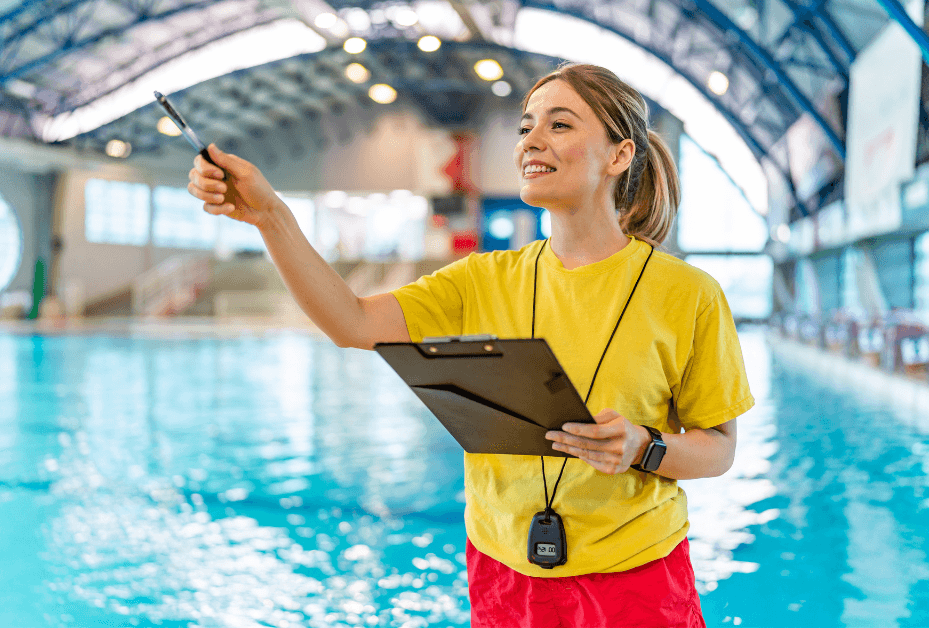
Module A1 and Module A2
is a basic training level intended for anyone who wants to learn about the work of a lifeguard and acquire the basic skills for safe operation in an aquatic environment. The program is divided into two modules:
Module A1: covers basic swimming and rescue techniques, swimming safety, and basic first aid knowledge.
Module A2: builds on the knowledge acquired with more demanding rescue procedures, practical exercises, and preparation for independent work.
After successfully completing Program A (both modules), participants receive a certificate, which is also a prerequisite for continuing training in Program B.
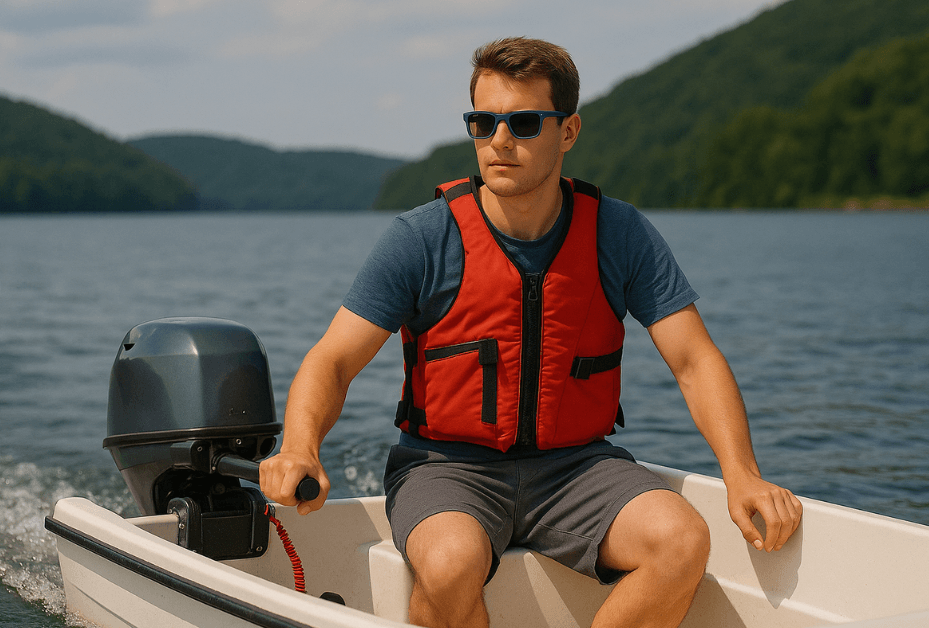
license for boat rental
is intended for anyone who wishes to obtain an official license for the safe operation of small vessels on inland waters and at sea. The course consists of a theoretical part (basics of seamanship, navigation rules, safety regulations) and a practical part (vessel operation, maneuvering, safety on the water).
After successfully passing the exam, participants obtain a license that allows them to rent and operate vessels up to a certain length and engine power in Slovenia and abroad.
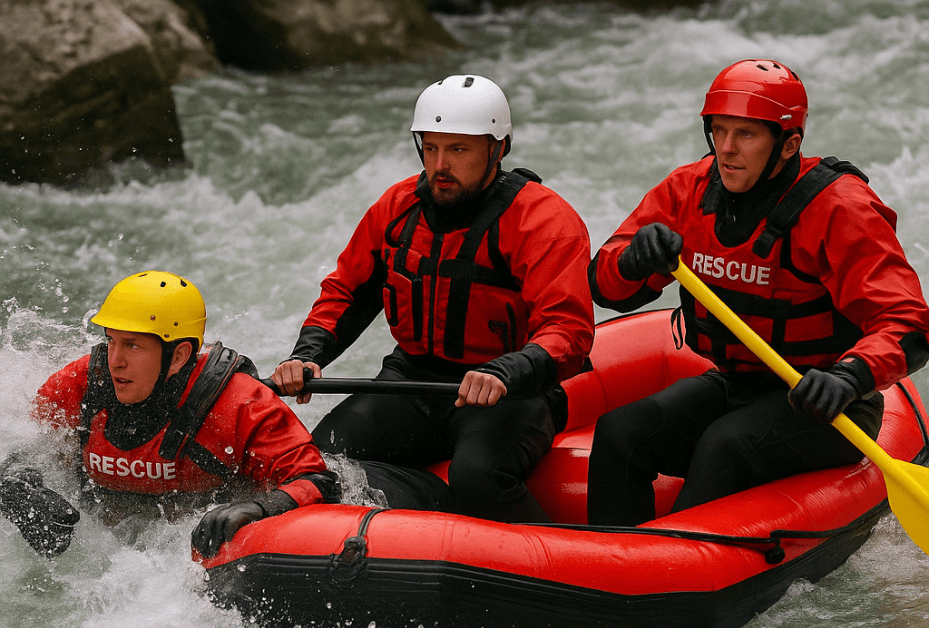
Wildwater license
is a specialized training course for rescuers working on rivers and other wild waters. The course includes advanced rescue techniques in fast-flowing waters, the use of special equipment, teamwork, and ensuring safety in more demanding natural conditions.
After successfully completing the program, participants receive a whitewater rescue license that is valid at home and abroad.
Although this license is not used very often in our region, it provides valuable knowledge and additional training for special circumstances.
👉 If you want to become a rescuer, take a look at the detailed training program and apply using the form below.
TRAINING CONTENT for B
(120 teaching hours)
Theoretical training (35 hours):
• Water rescue legislation.
• Regulations for water rescuers.
• Practical knowledge of rescue work.
Practical training (85 hours):
1. Swimming 200 meters with intermediate underwater swimming (5 m for each 25-meter pool length) in 3.55 minutes.
2. Swimming 50 m using the rescue crawl technique in 48 seconds (50-meter pool) or in 47 seconds (25-meter pool).
3. Swimming in place with simultaneous or alternating strokes and elbows raised above the water surface for at least 90 seconds.
4. Rescue from the water from the edge of the pool at a distance of 10 meters with the aid of equipment.
5. Swimming underwater with free diving equipment at a distance of 40 m.
6. Diving to a depth of 5 m with free diving equipment.
7. Rescuing an incapacitated or unconscious swimmer at a distance of 20 m with a rescue tube or one of the personal rescue techniques.
8. Rescue of an immobile drowning person with a rescue tube or a personal rescue technique at a distance of 20 m in 1 min 20 s.
9. Demonstration of a team rescue of a drowning person suspected of having a spinal injury using a rescue tube and a water rescue board.
10. Demonstration of the rescue of an immobile drowning person using a rescue vessel (board, scooter, boat) at a distance of 50 or 100 m. Two rescuers perform the rescue; the distance and method of rescue are determined by the commission.
TRAINING CONTENT for A2
(80 teaching hours)
Theoretical training (25 hours):
• Water rescue legislation.
• Regulations for water rescuers.
• Practical knowledge of rescue work.
Practical training (55 hours):
1. Swimming 100 m in under 2 minutes.
2. Underwater swimming over a distance of 20 m.
3. Rescue from the water from the edge of the pool at a distance of 10 m using aids.
4. Rescue of an incapacitated or unconscious swimmer at a distance of 15 m using a rescue tube or one of the personal rescue techniques.
5. Rescue of an immobile swimmer with a rescue tube or personal rescue technique at a distance of 15 m in 1.20 min.
6. Demonstration of team rescue of a drowning person suspected of having a spinal injury using a rescue tube and water rescue board.
TRAINING CONTENT for A2
(80 teaching hours)
Theoretical training (25 hours):
• Legislation governing water rescue workers.
• Regulations governing water rescue workers.
• Practical knowledge of the work of a rescue worker.
Practical training (55 hours):
1. Swimming 200 m with intermediate underwater swimming in 4.00 min.
2. Swimming underwater for a distance of 25 m and retrieving 3 objects spaced 5 m apart from the bottom of the pool.
3. Swimming in place with simultaneous or alternating strokes and elbows raised above the water surface for at least 90 seconds.
4. Rescue from the water from the edge of the pool at a distance of 10 m with the aid of equipment.
5. Rescue of an incapacitated or unconscious swimmer at a distance of 20 m with a rescue tube or one of the personal rescue techniques.
6. Rescue of an immobile drowning person with a rescue tube or a personal rescue technique at a distance of 20 m in 1.20 min.
7. Demonstration of a team rescue of a drowning person suspected of having a spinal injury using a rescue tube and a water rescue board.
TRAINING CONTENT for D
(40 teaching hours)
Theoretical training (9 hours):
• Legislation governing water rescue workers.
• Regulations governing water rescue workers.
• Practical knowledge of the work of a rescue worker.
Practical training (31 hours):
1. Continuous swimming over a distance of 100 m in a maximum time of 2.30 minutes.
2. Underwater swimming over a distance of 10 m.
3. Rescue exercises from the shore.
4. Rescue exercises using a boat and rescue equipment.
5. Combined rescue exercises (one or more persons in a rescue boat).